Sorry, you need to enable JavaScript to visit this website.

Prutas na, Naging Suka pa

Mix up your brand of fruity sour power! 

6min
Mix up your brand of fruity sour power!

“Kulang ang kusina kapag walang suka.”


Vinegar is such a staple in traditional Filipino food. Think of a serving of the world-famous Adobo without it—could you even still call it a Filipino Adobo? If vinegar’s not part of the ingredients, you can count that it’s there for sawsawan purposes. Grilled liempo cookouts are taken to the next level when you have that special chopped garlic mixed with vinegar dip.  


But like in every culture, not all people’s palates are the same. Some like their vinegar punchy and more sour, while others keep things mild and would rather the fruit flavors go above the base vinegar taste. If you’re the latter, then this article is just the thing that you’re looking for!  
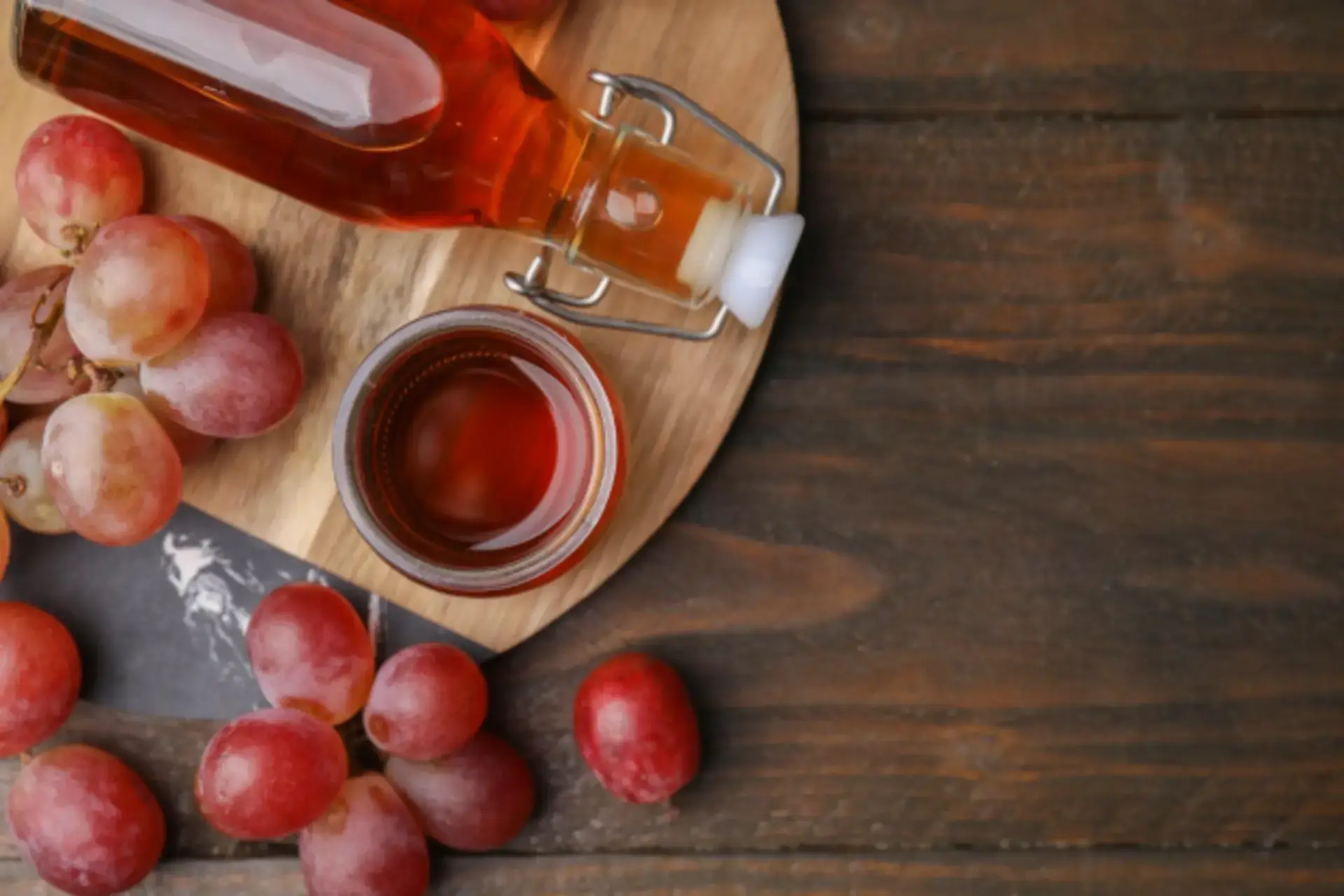
 

Turning Wine to Vinegar 

To put it simply, making vinegar has a two-part fermentation process. Firstly, you have yeast consuming sugars from sources like fruits and grains. This creates alcohol via a process called alcoholic fermentation. But don’t bring out those wine glasses just yet! Let it ferment longer and the alcohol turns into acetic acid—in other words, vinegar.


This process can definitely be replicated at home without any fancy equipment, but the real question is, why should you?


Adds Taste, Lessens Waste

By this point, all of us have heard or are already practicing sustainability. Who would’ve thought that this applies to the humble sasawan as well? By opting to reuse fruit leftovers and overripe batches, you can drastically reduce the amount of waste your household creates, and that’s not an insignificant effort. Give it time and a whole community doing the same, and seemingly small efforts snowball into a huge net positive for the environment! 

But it’s not all outward benefits, there’s something in it for you too! Imagine your favorite fruit amplifying the tastes of your cuisines—leveling up your salads, giving your Adobo that tiny edge in flavor, or taking your sawsawans to a whole new level.  


Ready to make your mix? We have three fruits to ferment today, so just follow these simple steps:


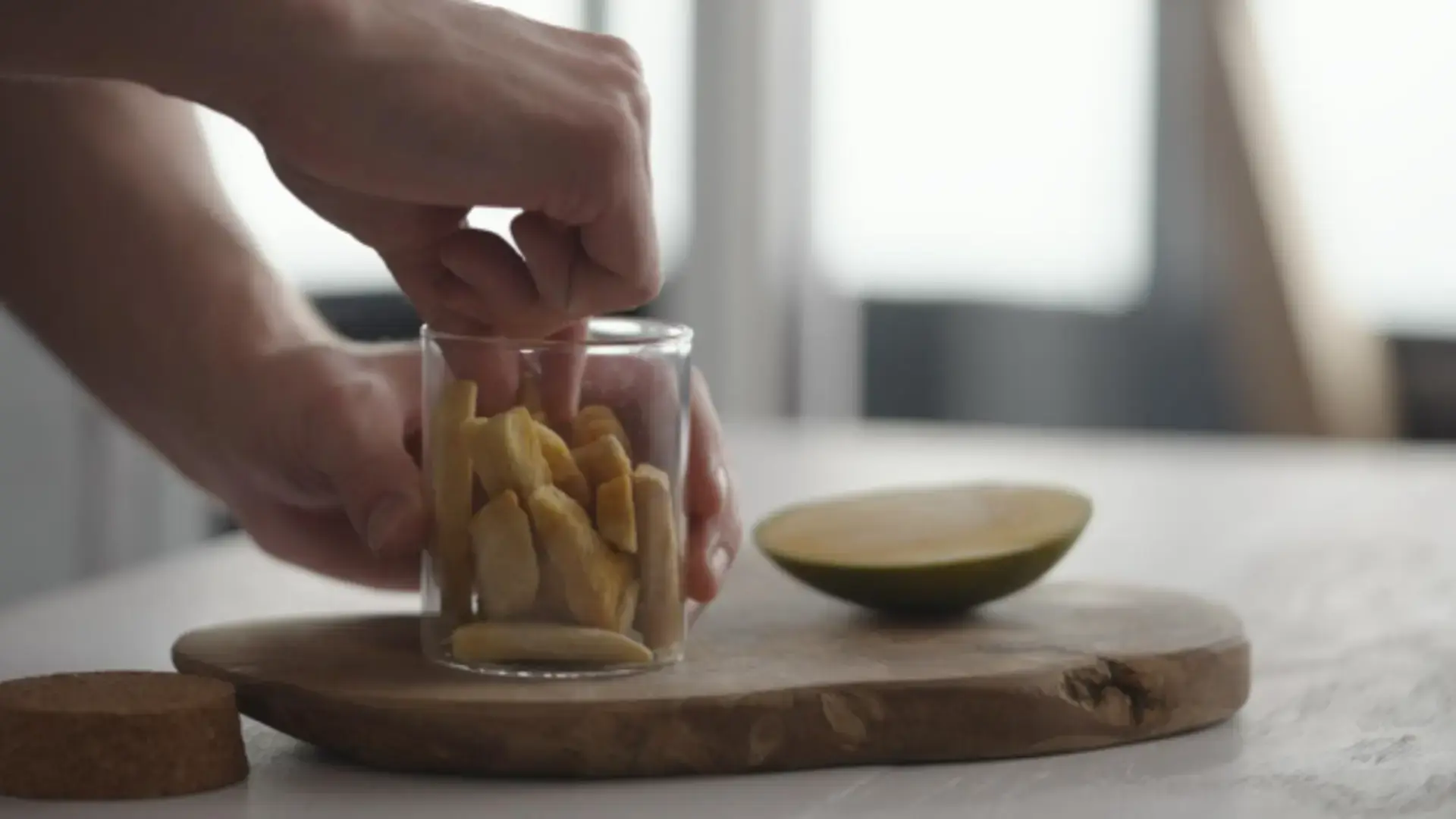
Mango Vinegar 

What you’ll need:

  • 1 mango, peeled and sliced
  • 2 cups of rice wine vinegar
  • Jar with lid
  • Fine strainer
  • Coffee filter


Here’s how to make it:

  • Place the mangoes in a clean glass jar.
  • Heat the vinegar in a saucepan. Be sure to keep it simmering, but not boiling.
  • Pour the hot vinegar over the mangoes and set aside the jar to cool.
  • Cover the jar with two layers of coffee filter before closing the lid on top of them. Place the jar in a paper bag then set aside in a cool, dark, dry location for two weeks. Give the jar a shake every now and then to help the mixture blend.
  • After two weeks, give the mixture a taste. If it’s not yet the flavor you want, let it rest further. It can take up to four weeks to get it just right.
  • Once the right taste is achieved, strain the vinegar multiple times through a fine strainer. You can also use a coffee filter. Take out as much of the mango remains as you can, then let it sit overnight covered so the remaining sediments settle down. Give the vinegar its last straining session afterwards.
  • Pour the vinegar out of the jar and into the final bottle with about half an inch of headspace before the cap. Seal the bottle and enjoy!


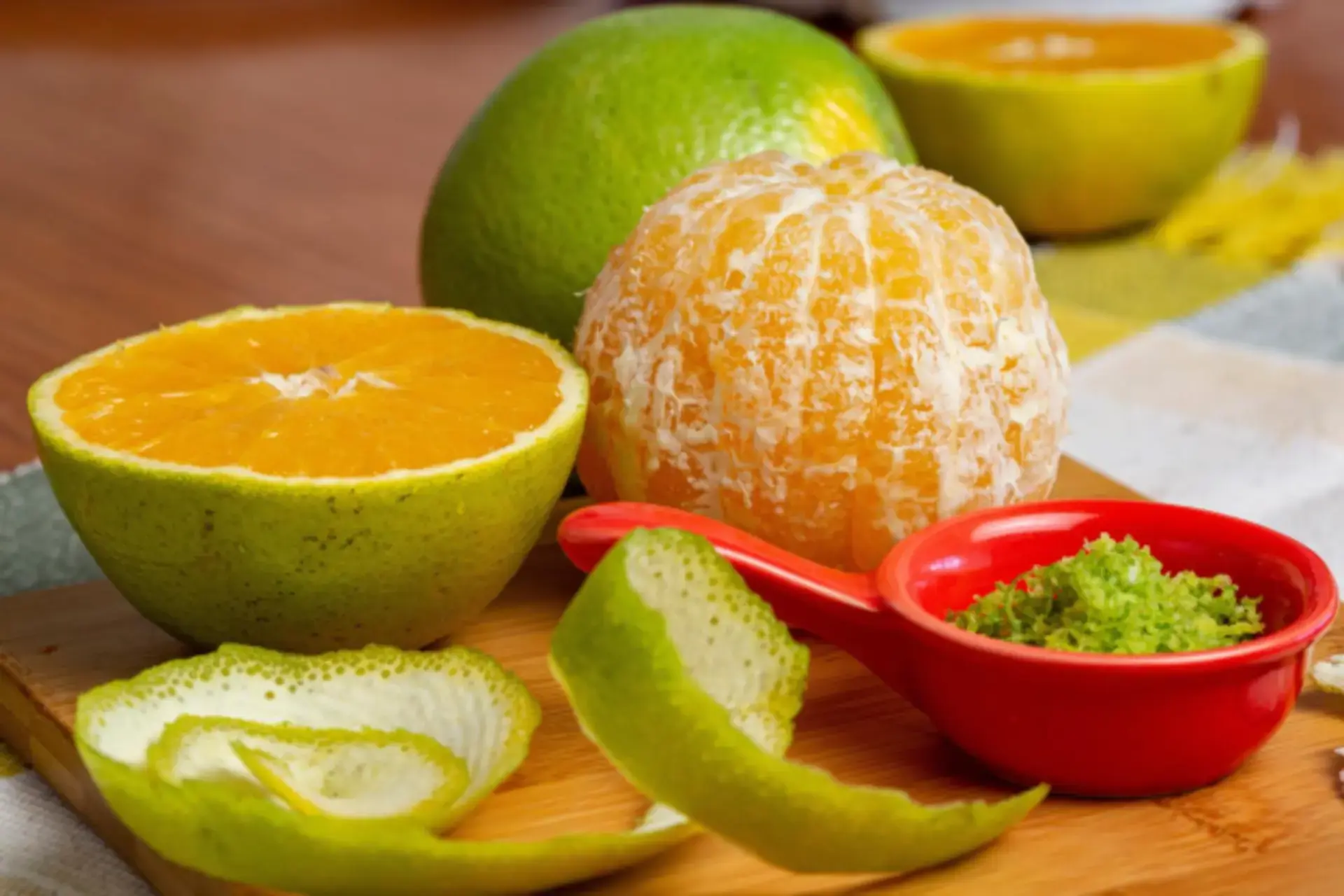
Dalandan Vinegar


This process can be replicated for any citrus fruits and peels. This recipe can also be considered infused vinegar.


What you’ll need:

  • Dalandan peels
  • Vinegar
  • Jar


Here are the simple steps:

  • Fill a jar with Dalandan peels.
  • Immerse the peels in vinegar then close the lid.
  • Let it sit for two weeks.
  • Strain out the peels, then put the infused vinegar in its final container. Enjoy your infused vinegar recipe!


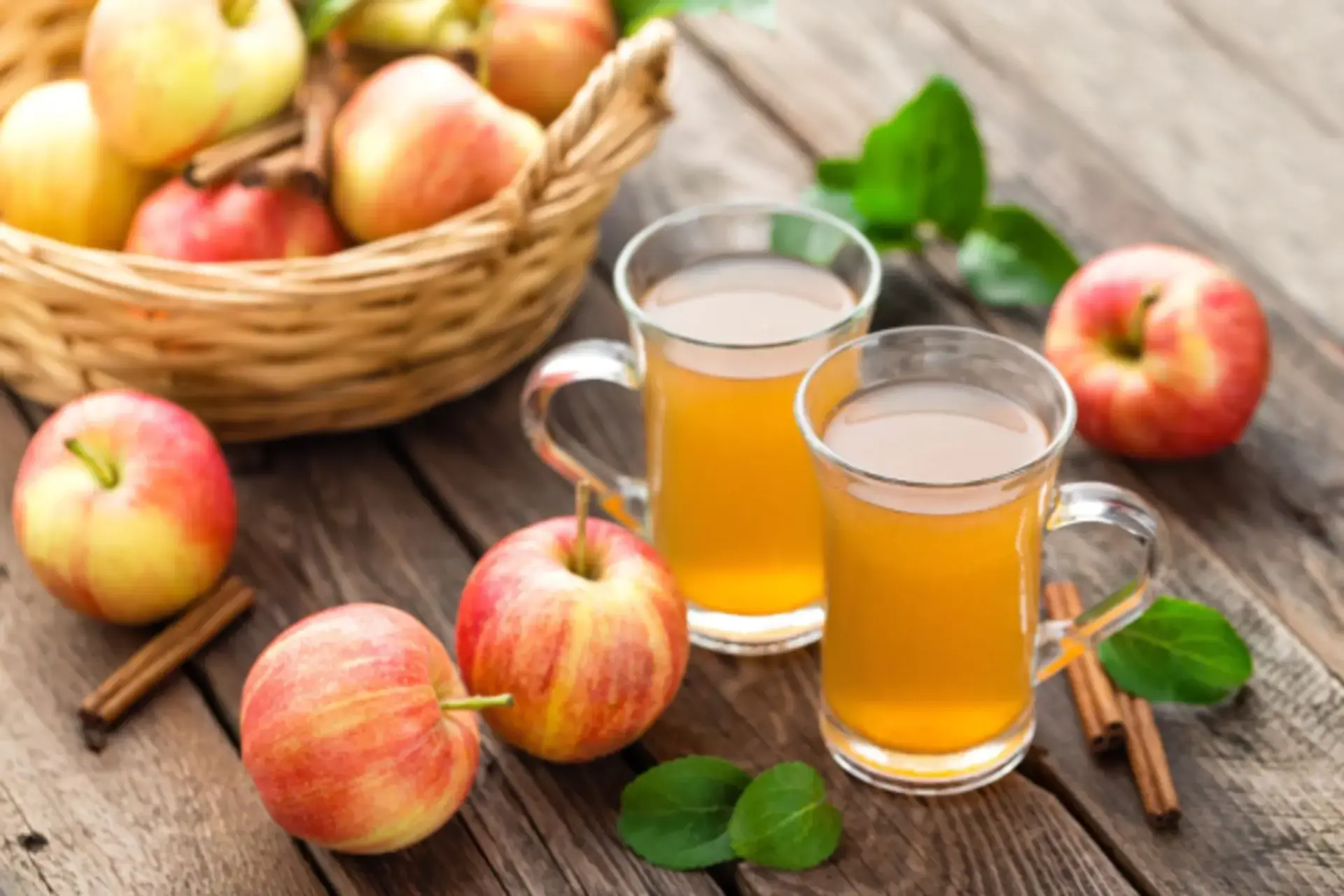
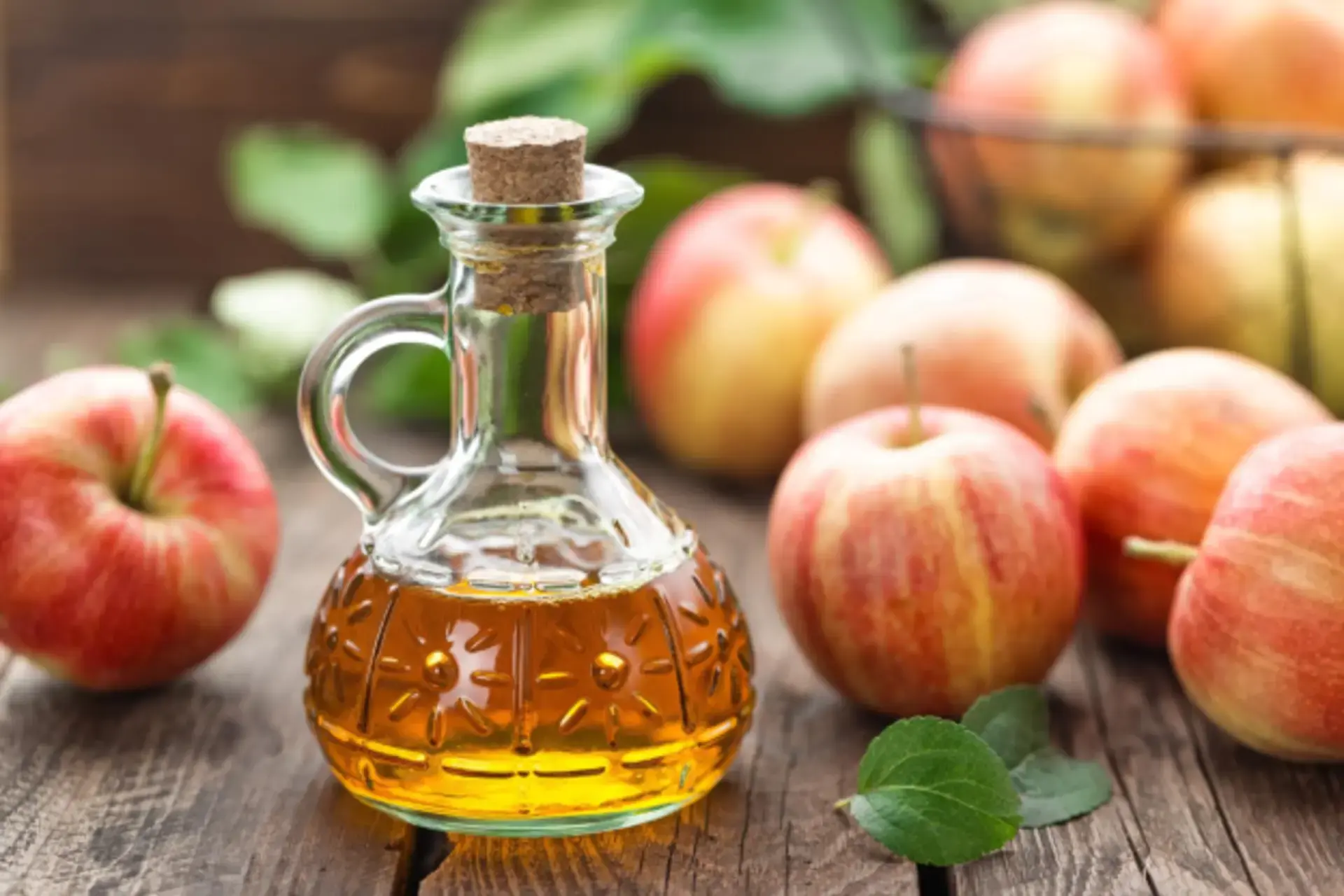
Apple Cider Vinegar

Of all the fruit vinegars, this is the most iconic.


What you’ll need:

  • Apples or apple scraps
  • Filtered water
  • Cane Sugar
  • Coffee filter
  • Jar with lid


Here’s how to make it:

  • Chop the apples into tiny bits and pour into a jar. It should be halfway filled with apples after.
  • Add water, but keep track of how much you put in. Mix in one tablespoon of sugar per cup of water used.
  • Cover with coffee filters before closing the lid. Store in a dark location.
  • Stir once or twice every day for two weeks.
  • After which, strain the apples and transfer the liquid to its final container and leave it to ferment for at least one more month or longer.
  • Give it a taste test. If it’s not yet at the taste you’re looking for, continue the fermentation. If it is, then enjoy!