We’ve all seen it as kids. That one poster in our classrooms that shows the food pyramid. But what is it? If you didn’t pay attention to it then, don’t worry, we’ve got you covered.


Simply put, the food pyramid is a guide on how to lead a balanced, healthy life through proper diet—the shape was a deliberate choice, with the pyramid being one of the most balanced shapes. Just goes to show that if you follow it, chances are your health and wellbeing will never topple over.
Navigating the Levels
Since we’ve probably forgotten about it, here’s a refresher! You’d be surprised to know that at the base of the pyramid is not necessarily food, but drinks, mainly water. The bigger the level, the more your body needs it, which is why it’s important to have at least one and half to two liters of fluids every day.
One level up is the complex carbohydrates—rice, breads, root crops, and other grain products. We Filipinos got this part covered so long as we control our intake.

Next are the fruits and vegetables—the colorful parts of a balanced diet, and a great source of essential nutrients like fiber and vitamins.
Milk and milk products stack up above them. We can’t forget about calcium, especially when we age further.
Moving upwards, we see our ulam, the meats and meat products—pork, beef, chicken, and seafood. Protein is the common theme here, which means we can include the likes of beans and nuts in this layer.

Taking it higher, we see the sugars and sweets. The inclusion of desserts in the pyramid means it’s not something to avoid altogether, but to simply moderate. That way, life tastes all the more sweeter.

At the tip are the fats and oils. Being the smallest portion of the pyramid, it’s ideal to keep these at a minimum.
This may be the regular pyramid setup, but we must remember that health is not always a one-size-fits-all. Individual dietary needs may vary, so it’s good to get the weigh in of registered dietitians and nutritionists on how to meet your specific needs.
Building Our Pyramid
The traditional Filipino diet consists of rice, vegetables, fruits, and seafood. If you’re one of the many Filipino adults that enjoy a diet rich in carbohydrates just remember that moderation is key. Luckily, variety has always been a huge part of our cuisine and culture—everything we need is already there, it’s just a matter of portioning.
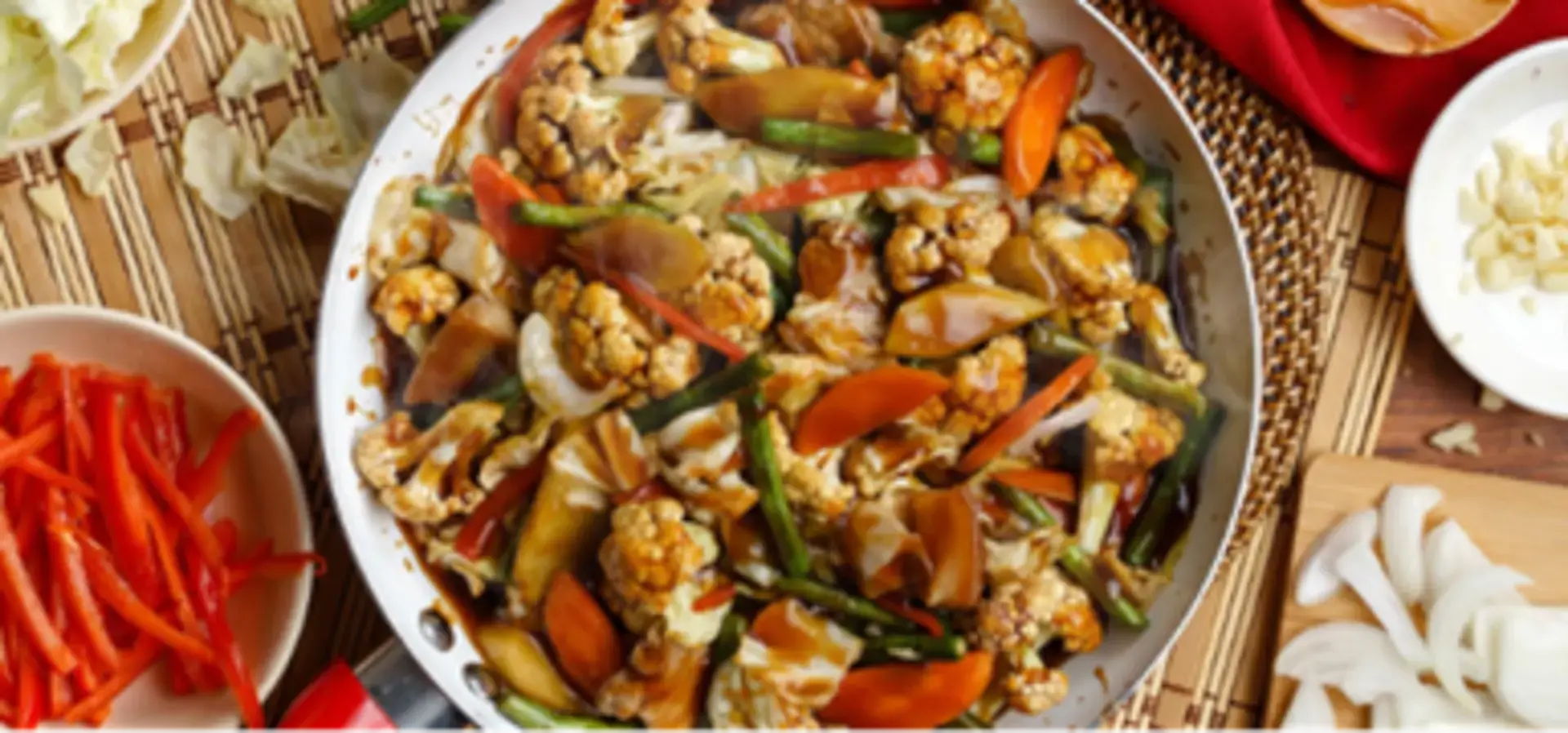
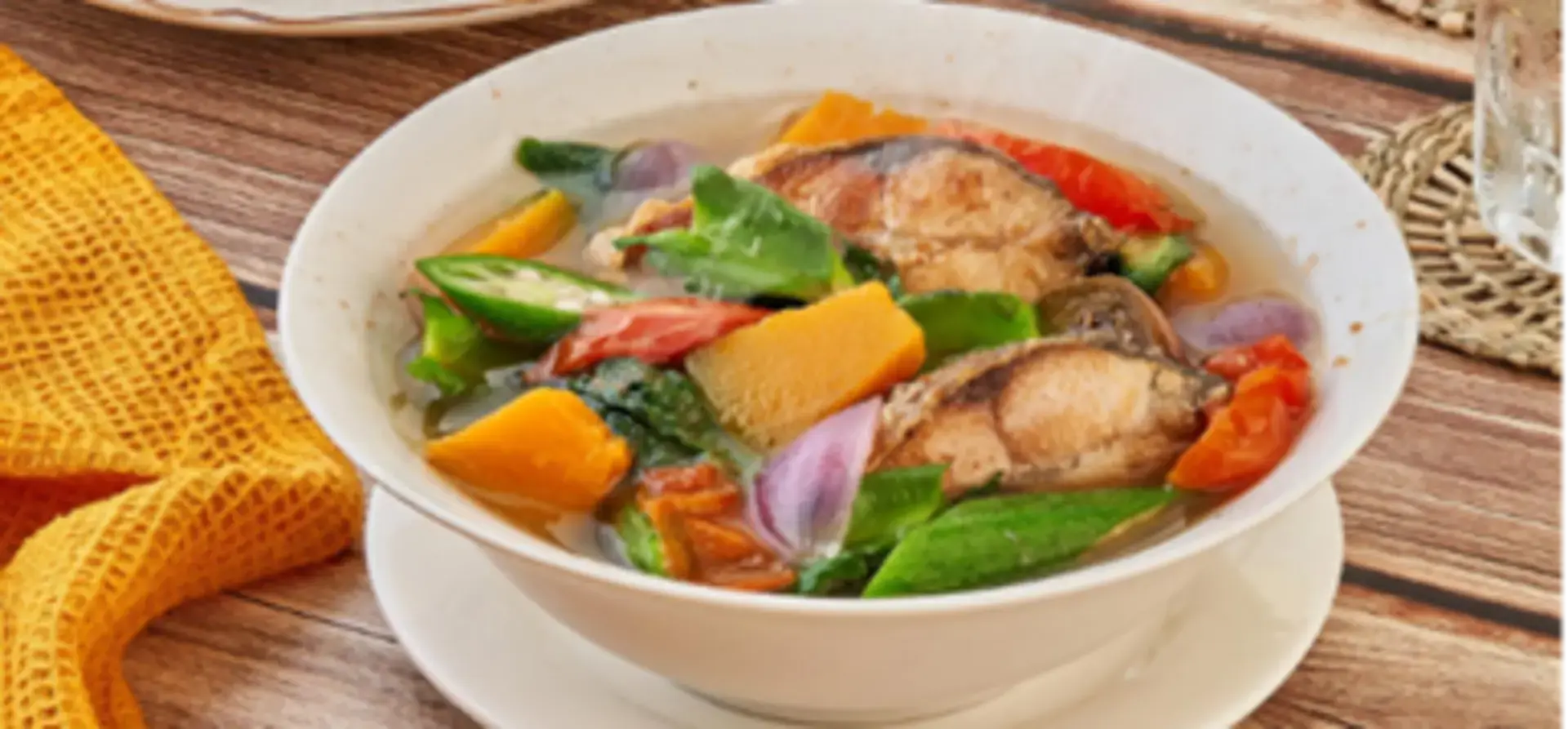
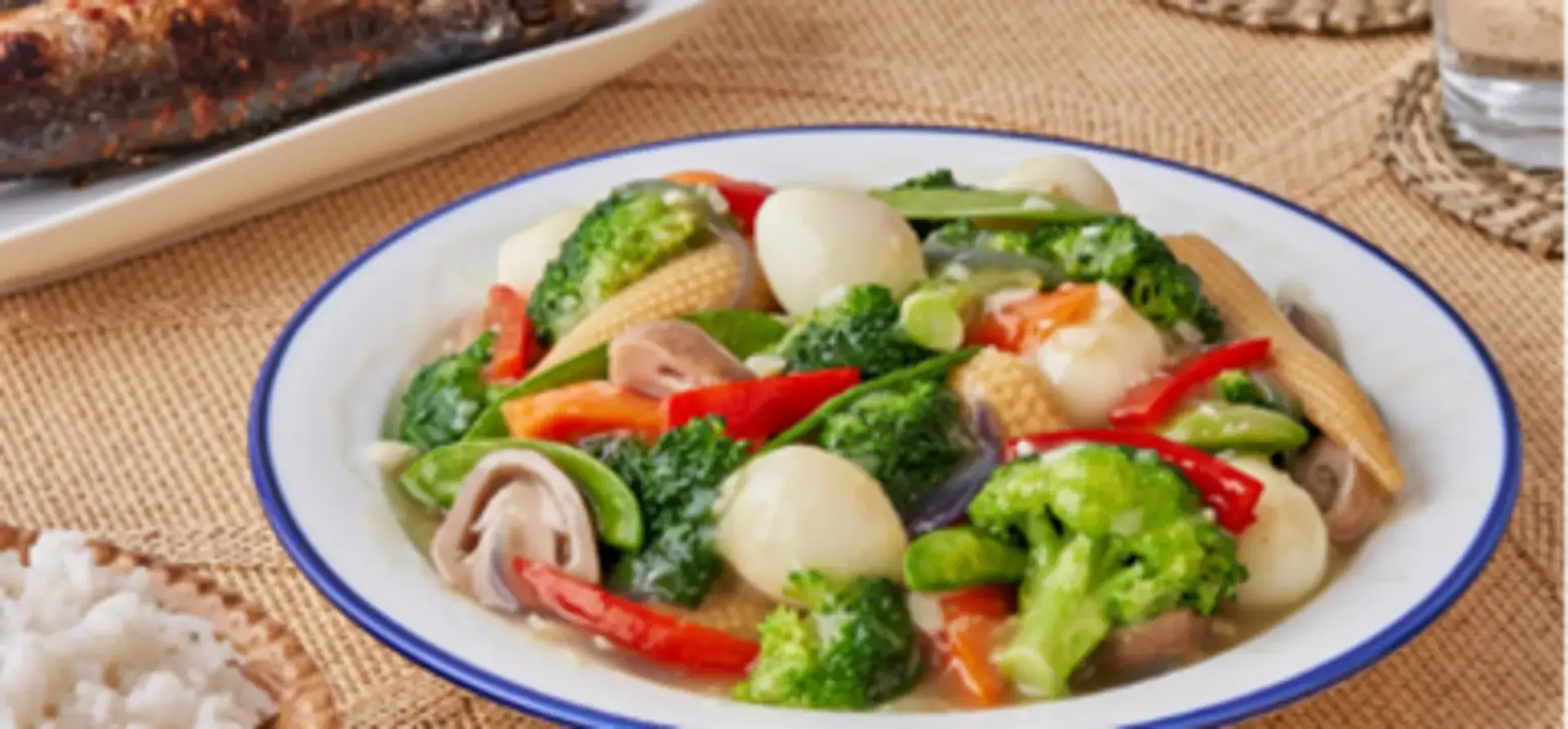
Here are some Filipino Recipes you can try to get the most out of your daily meals:


Some Final Tips to Build on
Enjoy food diversity
Eat a variety of foods and try plant-based foods.

Stay hydrated
Drink 1.5-2 liters of fluids daily and limit both sugary and alcoholic drinks.

Don’t forget your fruits and veggies
Aim for 2 servings of fruit and 3 servings of veggies daily. Include legumes and unsalted nuts for added nutrition.

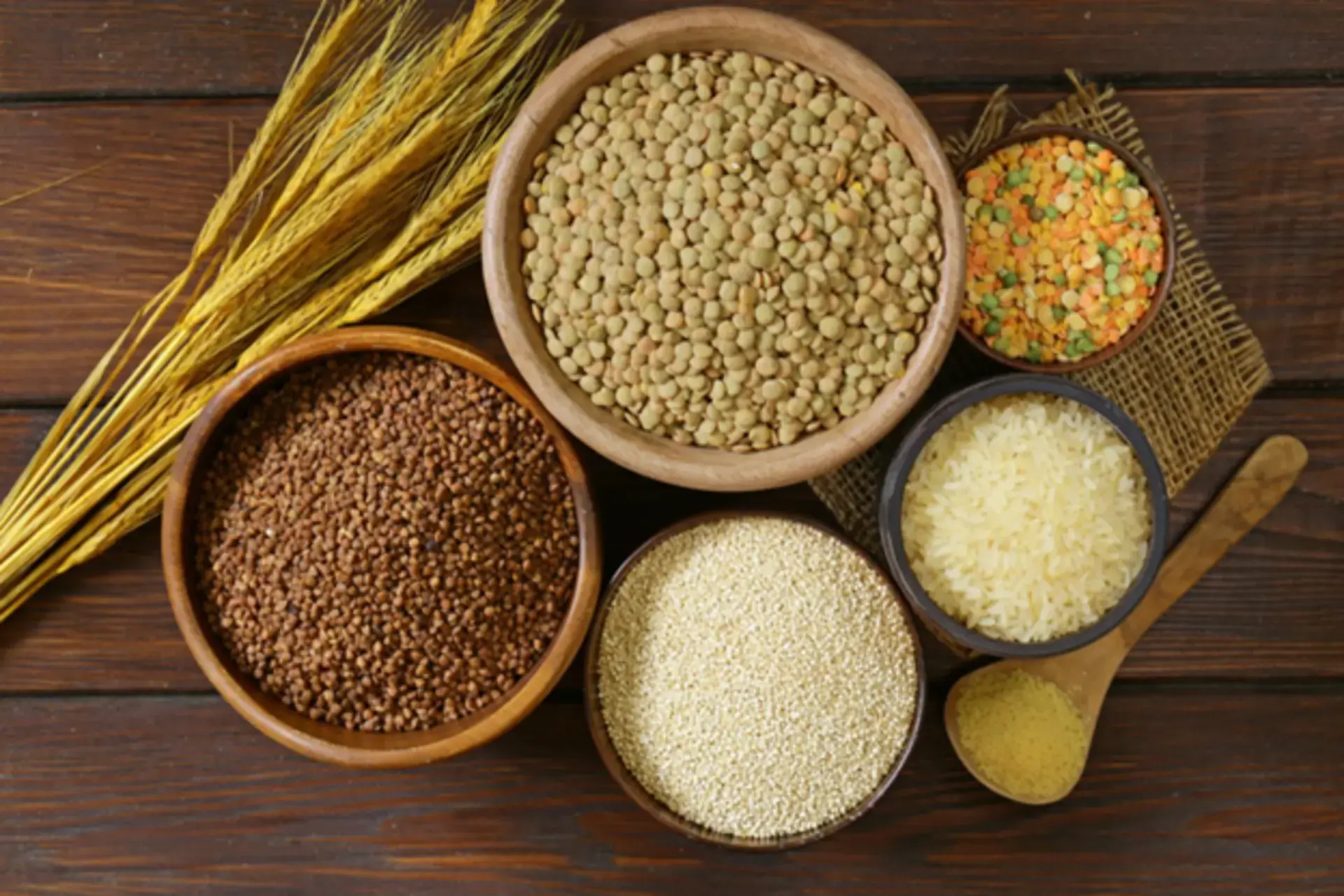
Go for a whole lotta whole grains
Whenever possible, look for whole grain bread, pasta, rice, and flour for better health.
Rock those dairy products

Have daily servings of milk, yogurt, or cheese. Drinking pure milk not your thing?
Then try these delicious milkshakes.
Eat different types of meat
There are other meats in the sea, land, and air. Add variety to the types of meat that you enjoy.

Ease up on salt and sugar
There’s a reason it’s almost at the top of the pyramid. Try sugar-free alternatives and seasoning your food with other herbs and spices.

Stay active
Combine wholesome nutrition with regular physical activity. Stay active in your daily life by moving around more.

Sources for this article:
-
FNRI-DOST. (2000). Nutritional Guide Pyramid. Retrieved from https://www.fnri.dost.gov.ph/index.php/tools-and-standard/nutritional-guide-pyramid
- Nestlé Philippines. (August 9, 2018). Scientists collaborate with FNRI. Retrieved from https://www.nestle.com.ph/media/news/scientistcs-collaborate-fnri
You may also be interested in