Sorry, you need to enable JavaScript to visit this website.

Living the Fit Life

Good health looks good on anyone.

3min
Living the Fit Life

What’s your motivation for moving? Sometimes, it's simply wanting to fit into your clothes better. To others, it could be mitigating possible health conditions. It might even be because it’s a growing fad! No matter what our reasons may be, choosing to increase our regular movement is a net positive change in our health.


Balancing BMIs

Want to get a good feel of your current body’s fitness state? Check where you land on the BMI chart. The Body Mass Index, or BMI, is a handy tool to know if you’re over or under the recommended weight in relation to your height. Here’s what a BMI chart looks like:
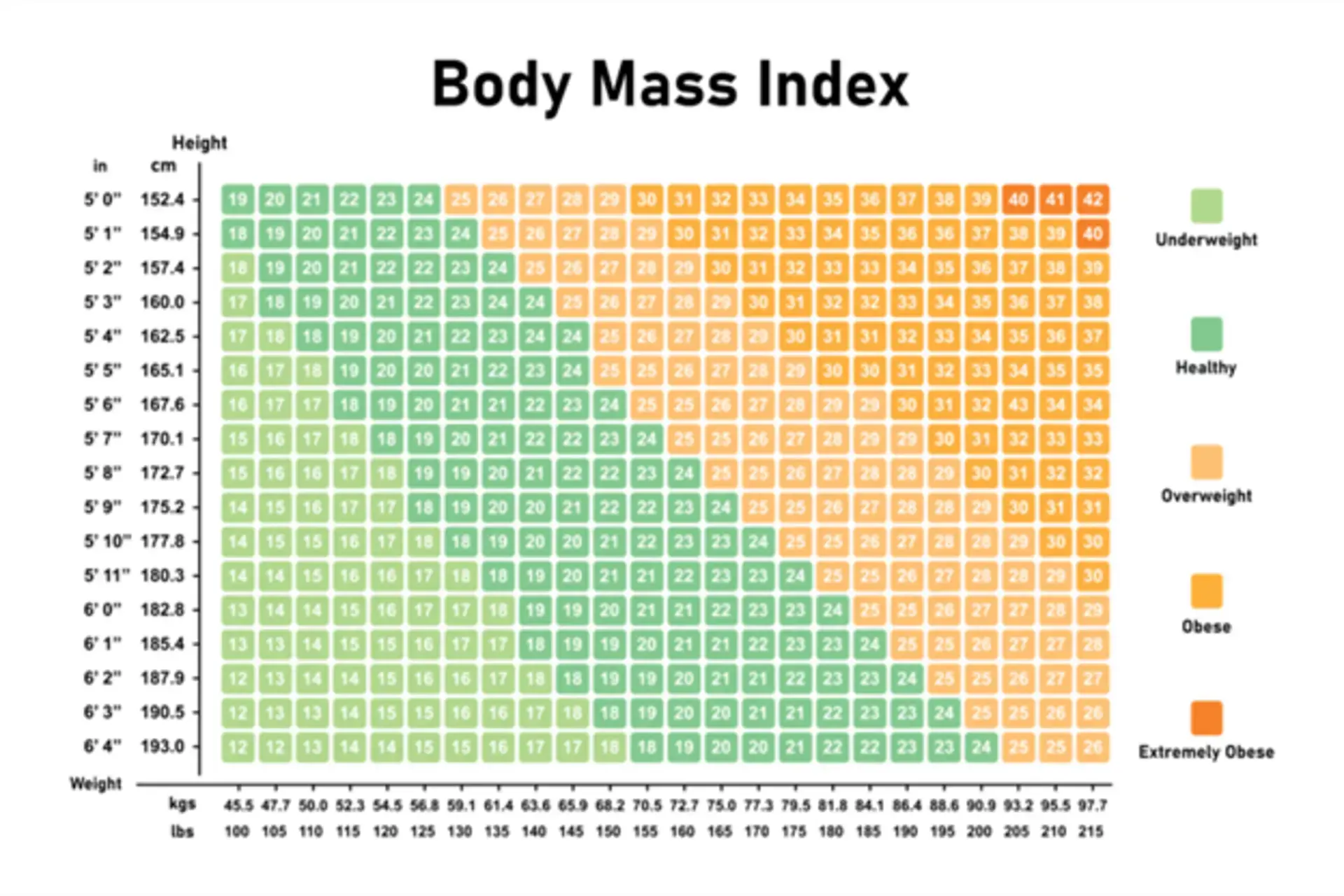

Image: WHO Cut-off points 


Just look for your height and see where the angle aligns with your current weight. There are colors that represent being just right, overweight, or underweight. If you’re in the safe zone, great! If you find that you fall into the overweight category, remember that several factors can influence this classification. For instance, fluctuations in weight can be affected by hydration levels, recent meals, and muscle mass. Increased muscle mass, which can result from various forms of physical activity—not just weightlifting—can contribute to a higher weight on the scale, as muscle is denser than fat.


Understanding the composition of your weight—whether it consists of water weight, fat mass, or muscle mass—is essential for a comprehensive view of your health.


Regardless of these factors, BMI remains a handy tool for gauging your overall health status. To improve your wellbeing, consider increasing your physical activity and focusing on balanced nutrition.


Calories in, Calories out

Ah, the big C of fitness, but calories are nothing to be afraid of. To put it simply, calories are energy—if you don’t spend it, you keep it, which leads to weight gain.​     ​


The human body, even when sitting perfectly still, expends energy to keep your body running, like breathing, digesting, even reading this article. While going on a diet can help you manage calorie intake, incorporating regular exercise is equally important and can make the process more enjoyable. Not only does it help burn calories, but it also contributes to overall health and fitness.


However, it’s crucial to remember that physical activity should complement a balanced diet rather than serve as an excuse to indulge in unhealthy eating habits. By combining exercise with mindful nutrition, you can create a substantial approach to achieving and maintaining a healthy weight.


Together, diet and exercise work hand in hand to support your fitness goals, making it possible to enjoy a variety of foods in moderation while staying active.


Choose How you Move 

Would you believe how big of a benefit simply walking around is for weight loss? Taking 5,000 to 10,000 steps daily is such a simple way to better your health. A lot of online fitness coaches highly recommend it—and it’s not even a sport! Imagine what a combination of daily steps plus regularly engaging in a sport or exercise of your choice would do for your body!


Here’s a handy table to check the number of calories some exercise activities burn in an hour. Just multiply your weight with the calorie value to get the energy expenditure per hour. 


Sport

Energy consumption in kcal per kg body weight per hour 

Dancing 

4.0

Gymnastics 

2.0

Hiking 

6.0

Playing Golf 

4.0

Steady Cycling 

6.0

Walking 

8.0

Swimming, breaststroke 

10.0

Aerobics

8.0

Source: (Nestlé) 


The Right Kind of Fuel 

Remember when we said dieting combined with exercise works? You should also consider what you eat. Nutrient-dense and fiber-rich foods are great choices to have in your diet. Think about the principles of the food pyramid and Pinggang Pinoy®, prioritizing whole grains, fruits, vegetables, and lean proteins.


Contrary to popular belief, sugar is not the enemy. When consumed in moderation, it’s a source of energy. Want to satisfy your sweet tooth? Choose fruits over candy! While both may contain sugar, fruits offer essential dietary fiber, vitamins, and minerals that candies lack. This makes fruit a healthier choice for satisfying cravings while providing additional nutritional benefits.


The occasional ice cream won’t hurt as well if you’re regularly exercising and controlling what you eat daily. Makes life a little sweeter, yes? The key is moderation—incorporating treats like ice cream into an active lifestyle helps you enjoy the foods you love while still prioritizing your overall wellness.


Perhaps the most important tip that we can give you is to BE PATIENT. Depending on your goals, this may be a project without an end in sight—and that’s great! Embrace the journey and remember that true fitness and good health are not achieved overnight. Consistency and perseverance are key to lasting changes and a healthier, more fulfilling life.