Sorry, you need to enable JavaScript to visit this website.

Caring for Water – Pakistan

5min
Caring for Water – Pakistan

Water is fundamental to every aspect of our business as a food and beverage company. It is essential for farmers to cultivate crops that go into our products and is also a crucial resource in our factory operations.

As a responsible organization, we recognize the role businesses play in promoting water-use efficiency. For decades, water conservation has been a central focus of our sustainability initiatives across our entire value chain, making the protection of this vital resource an integral part of our legacy.

In 2017, we introduced Caring for Water-Pakistan (C4WPakistan), our flagship water stewardship initiative, positioning ourselves as a lighthouse market in Nestlé. Through this program, we foster collective action by bringing together diverse but relevant stakeholders to address Pakistan’s water challenges. As part of this effort, we have implemented various initiatives under C4W-Pakistan’s three key pillars: Factories, Communities, and Agriculture. Building on this foundation, we launched the Nestlé Waters Pledge in 2021. Through this commitment, our water business is dedicated to leading the regeneration of the water cycle, ensuring a positive water impact in all our operational areas by 2025.
Factories

Alliance for Water Stewardship (AWS) Certification

The Alliance for Water Stewardship (AWS) Standard is a globally recognized framework for managing groundwater resources. It provides organizations with guidelines to implement site-specific and catchment-relevant water management initiatives through inclusive stakeholder engagement.

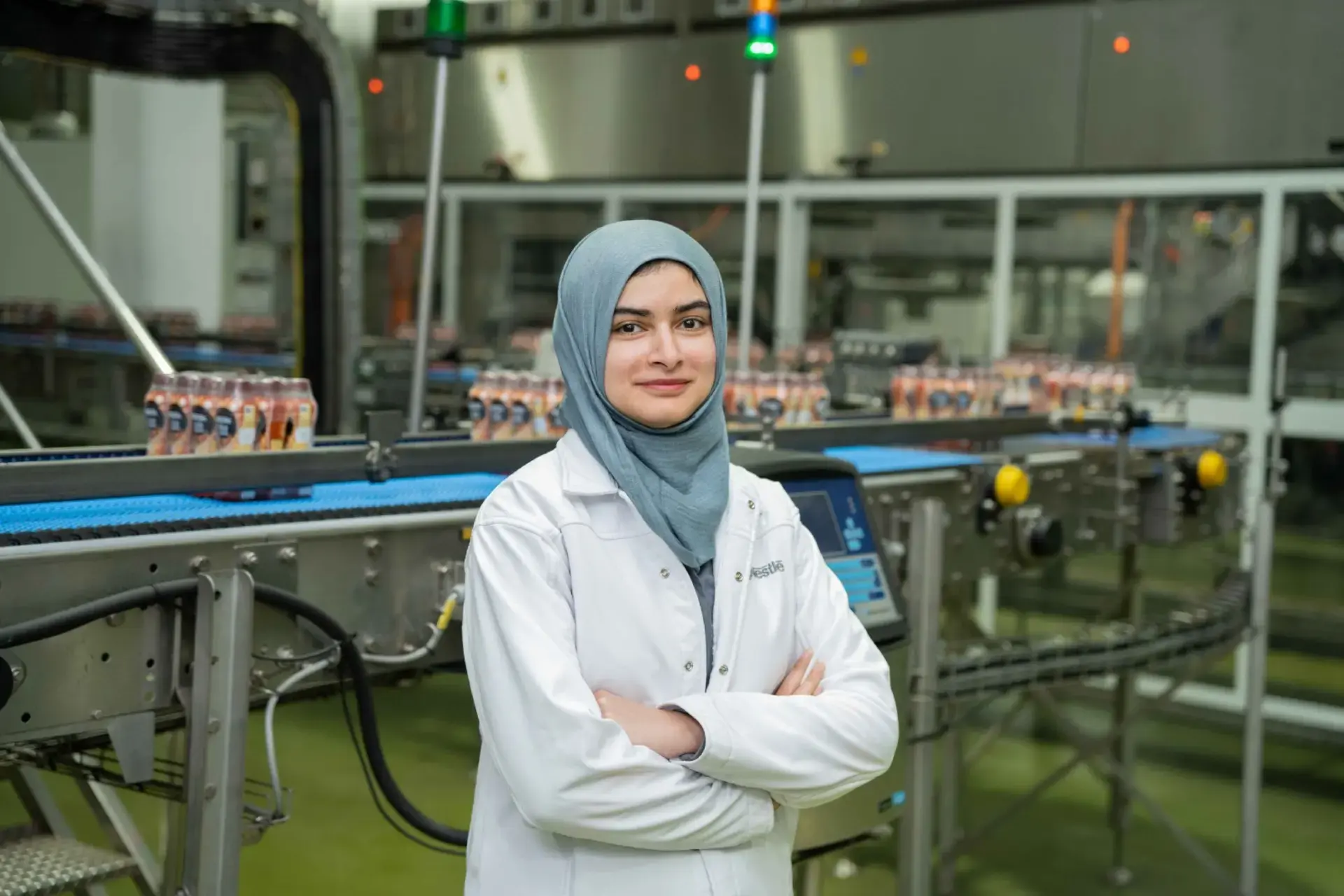
In 2017, Nestlé Pakistan’s Sheikhupura Factory became the first site in Pakistan-and the first Nestlé facility worldwide to achieve AWS Certification. Following this milestone, our factories in Islamabad, Kabirwala, and Karachi earned certification in 2018, 2019, and 2020, respectively. Nestlé Pakistan is proud to be the first market within Nestlé globally to have all its sites certified under the AWS Standard.

In-House Efficiencies

Thanks to our continuous efforts to enhance in-house efficiencies, we successfully conserved over 57,000 m³ of water across our manufacturing facilities in 2024 through water recycling and reuse. Additionally, we ensure that all wastewater generated from our industrial processes is treated in full compliance with environmental regulations before being discharged.


WASH Pledge

We have committed to the WASH (Water, Sanitation, and Hygiene) Pledge, which ensures that companies provide access to safe water, sanitation, and hygiene facilities at appropriate levels for employees across all their controlled premises. All four of our factories and other operational sites fully comply with the WASH Pledge standards, benefiting over 3,300 employees.

Communities

Clean and Safe Drinking Water Facilities

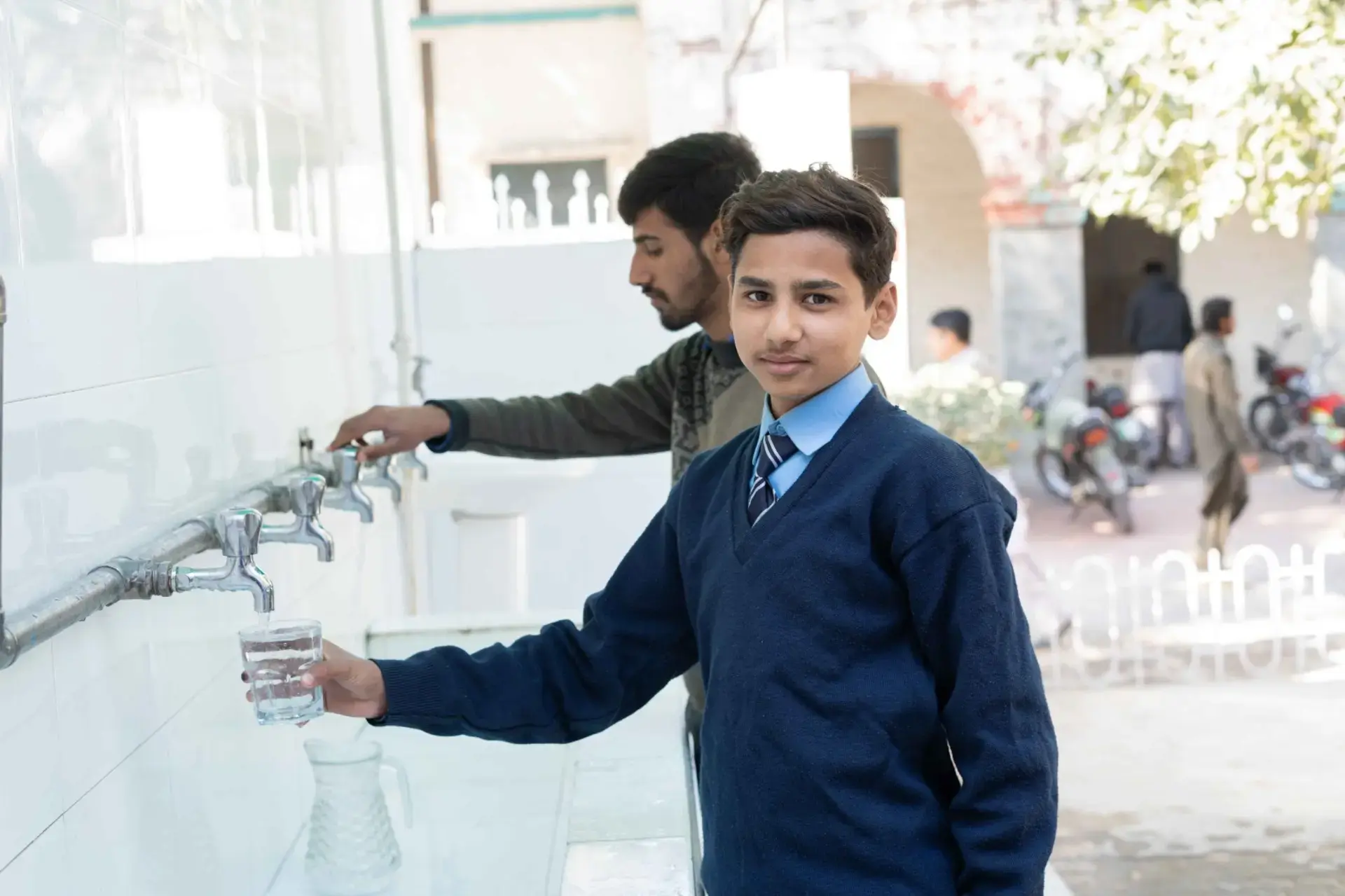
We have set up Clean and Safe Drinking Water Facilities, ensuring access to clean and safe water for 100,000 people daily. The operations and maintenance are conducted by a third party and funded by Nestlé. Strict quality controls, monitoring and compliance measures are implemented.


Water Education

In 2024, our Water Education Program engaged 40,000 children and 300 teachers in schools, promoting awareness and responsible water usage.

Agriculture

Agriculture is the most water-intense sector in Pakistan, using over 90% of the country’s water resources. Of this, over 50% is wasted due to mismanagement including through dependence on flood irrigation (FAO). Our biggest contribution to water regeneration comes from water savings in agriculture.


Drip Irrigation

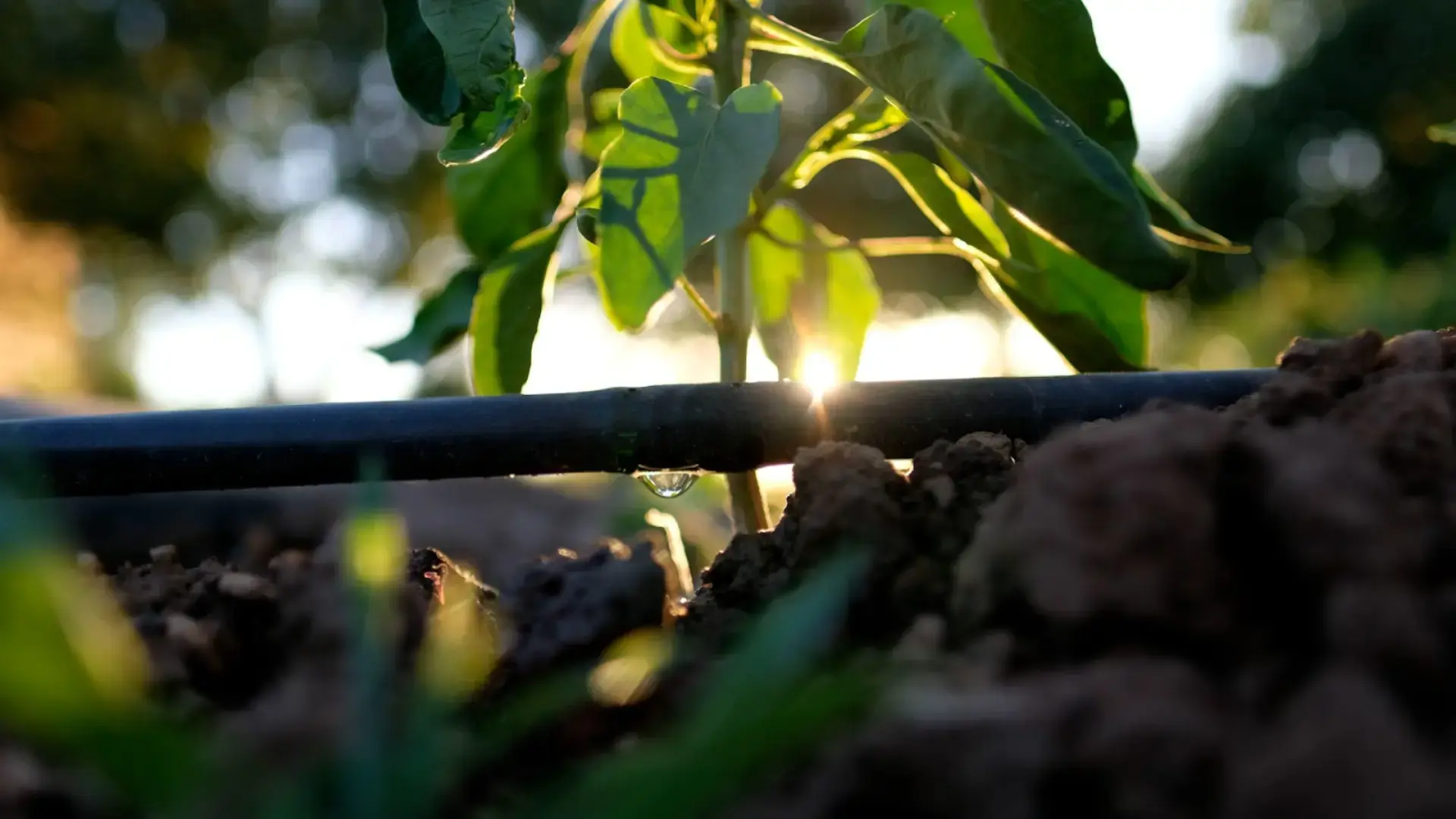
In collaboration with the Agriculture Department, Government of Punjab, Nestlé Pakistan has been actively promoting drip irrigation among local farmers. As part of this initiative, we covered 40% of the equipment cost, while the remaining amount was subsidized by the Punjab government through a World Bank-funded program. Additionally, we are demonstrating the benefits of drip irrigation in partnership with the Pakistan Agriculture and Research Council (PARC). Another demonstration site has been established in collaboration with the University of Veterinary and Animal Sciences (UVAS) Lahore, providing a platform to showcase best farming practices to academia, as well as professionals from the public, private, and development sectors. By 2024, drip irrigation was operational across 214 acres in Sindh and 29 acres in Punjab, resulting in an estimated water savings of over 377,500 m³.


Smart Soil Moisture Sensors

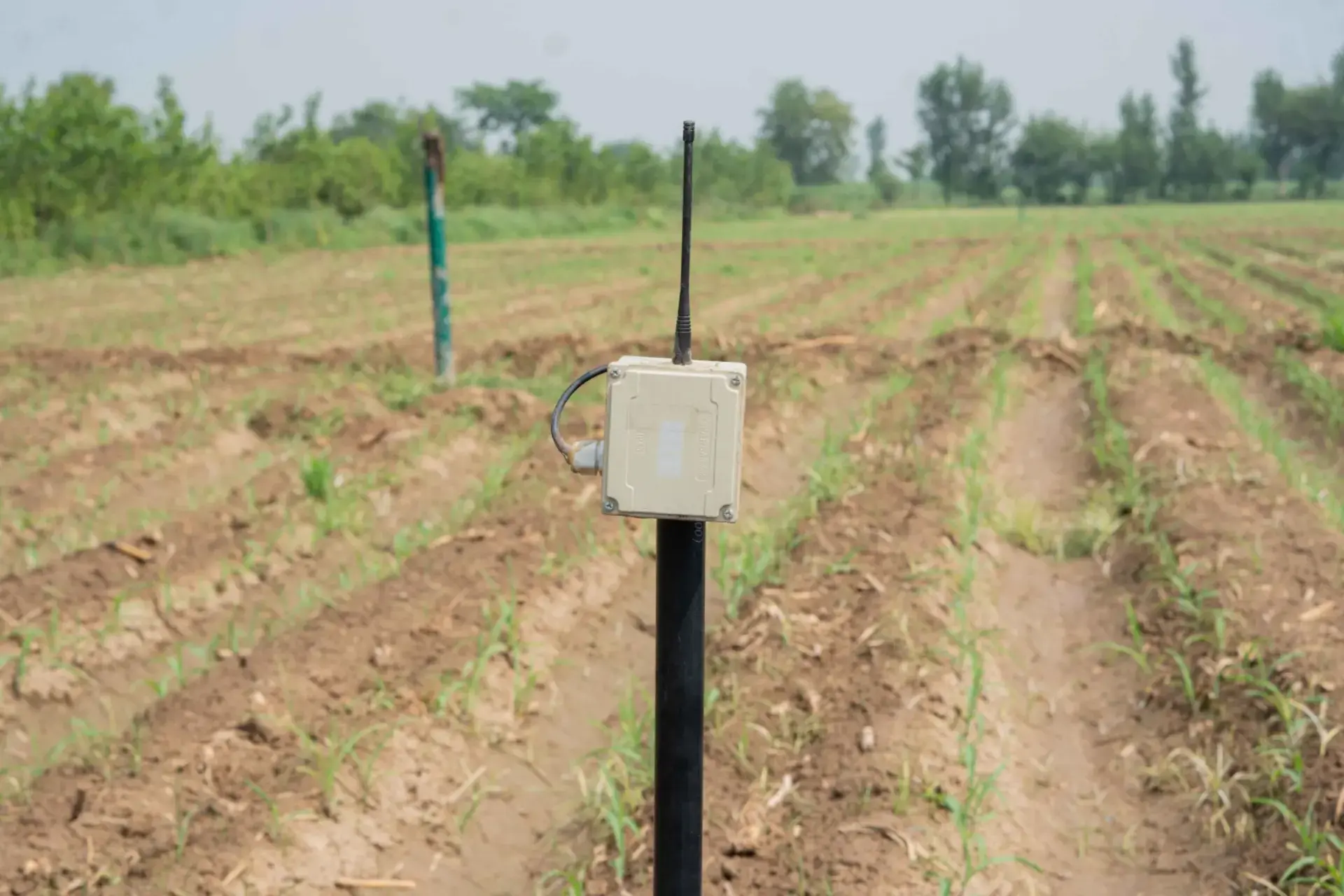
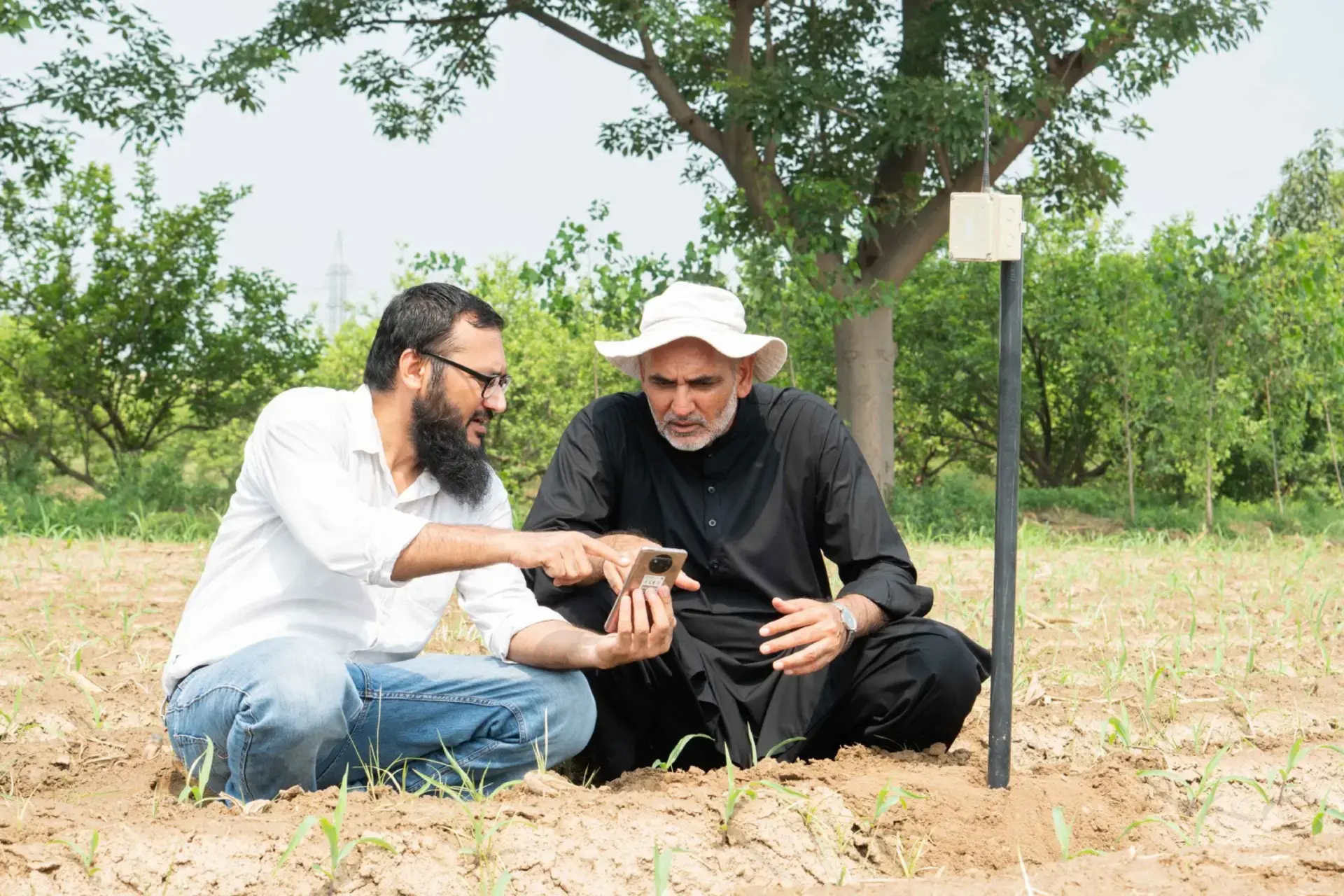
Nestlé Pakistan, in collaboration with the Centre for Water Informatics & Technology (WIT) at LUMS, has developed low-cost smart soil moisture sensors. These sensors monitor soil moisture levels and transmit real-time data to a cloud platform, enabling farmers to determine which areas need irrigation and in what quantity. Additionally, as part of this initiative, a software system has been created to allow both farmers and researchers to remotely access soil moisture data. In 2024, these smart soil sensors were deployed across 724 acres, resulting in an estimated water savings of over 166,213 m³. The accuracy of these savings is currently being verified through an independent third-party study.