
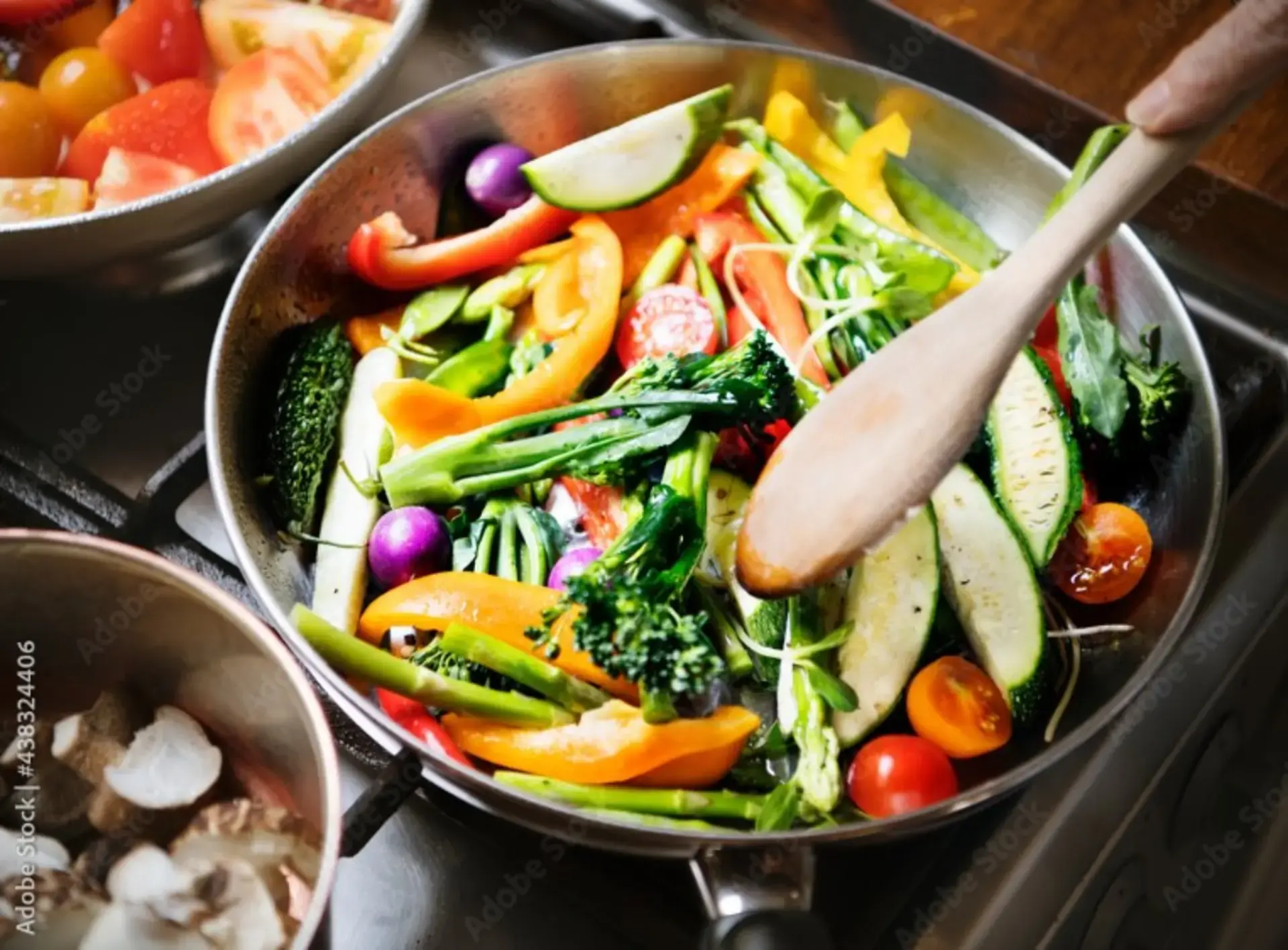
One of the best changes you can make for yourself is to change your diet, and you’re not alone in making this choice. More and more people are making the move to go plant-based because it helps the planet, boosts your energy, protects you from getting sick, and improves your overall health.
Sustainable changes often start with good intentions, and you’re on the right track! But like many who embark on drastic changes, you might ask yourself, “How can I make this last?” There’s no need to worry at all! Here are some techniques to support you in your plant-based journey.
Decide What Plant-Based Means to you
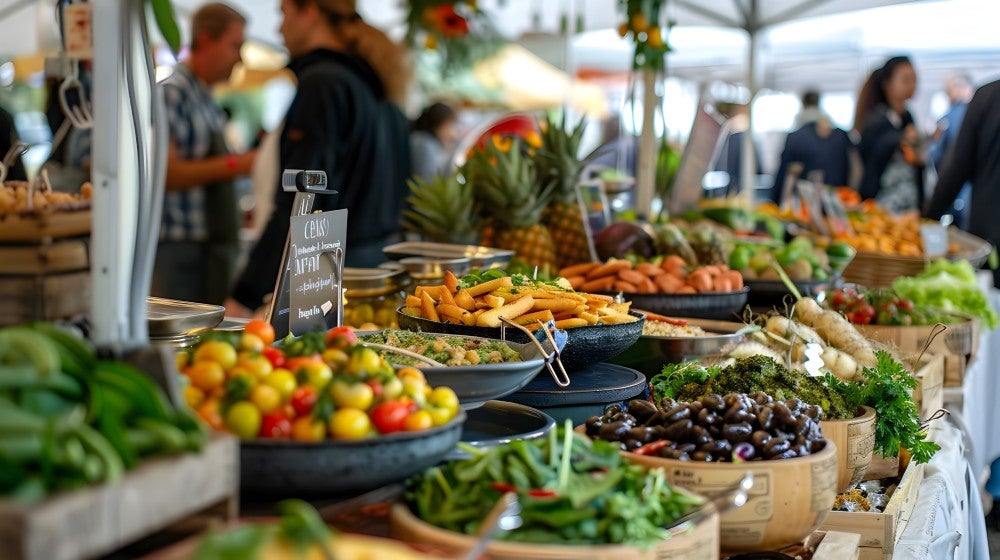
The best thing about a plant-based diet is that there is no official definition to it—you get to define the diet that you can stick with and feel successful after doing so. This could be vegetarian, where you have eggs and dairy products, but avoid meat, fish, poultry, and seafood. It could be vegan, which most consider to be the strictest form of a plant-based diet, as it does not include any animal products in the diet.
It could also be somewhere in between. Flexitarian diets include eggs and dairy products with the occasional meat, fish, seafood, and poultry. Mediterranean diets also include plant-based options, but would also have fish, eggs, poultry, yogurt and cheese, but rarely red meat and sweets.
Building your New Diet

The major food categories of a plant-based diet include:
- A variety of fruits, for the vitamins and nutrients you need
- Lots of vegetables, especially leafy green vegetables, for calcium and other nutrients
- Tubers, including starchy root crops like potatoes, sweet potatoes, yams, and cassava, which provide you with amino acids, iron, and zinc
- Whole grains, including cereals, quinoa, brown rice, wholewheat oats
- Legumes, including beans, lentils, peas, and chickpeas, which provide you with protein and amino acids
- Nuts and seeds, which provide you with healthy fats
Variety is Pretty, Healthy
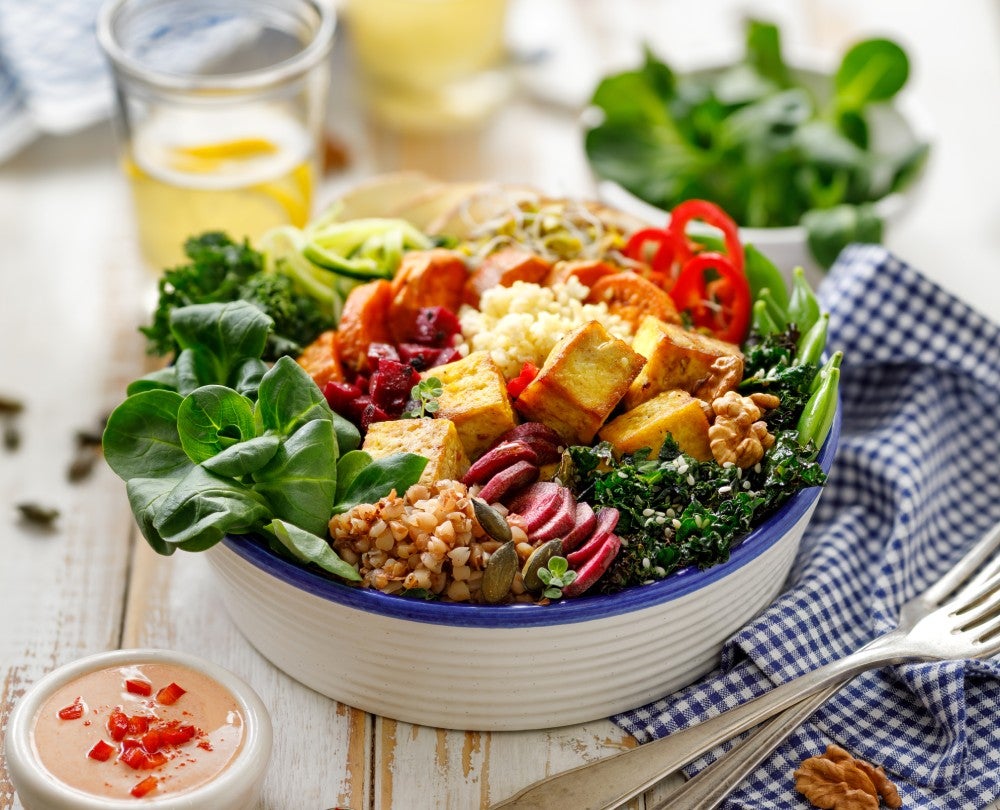
Start by filling half your plate with vegetables. Once you have your leafy greens in place, consider what you can partner them with—you can add other vegetables, fruits, herbs, tofu, beans, and even nuts, going for shades of red, orange, yellow, and brown for starters!
You can follow the same principle with soups. A lot of vegetables offer a variety of textures, colors, and flavors, giving you nutritious options when you need a hearty bowl to warm you up.
Rethink How You View Meat
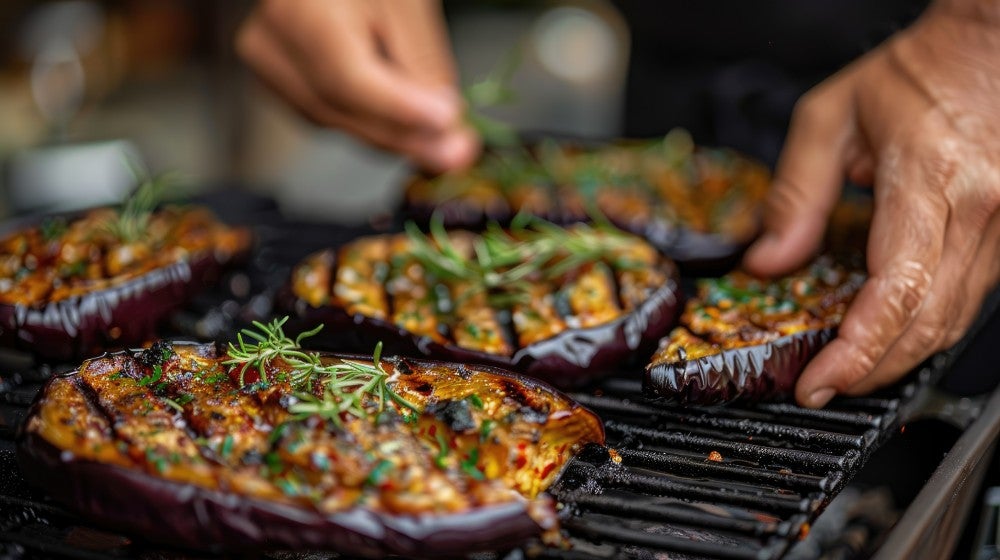
Most of us are accustomed to having meat as the star of a meal. The easiest thing you can start doing is to look at meat as a side dish—or you can look at how meat can easily be replaced by plant-based ingredients. Next time you make meatballs (frikkadels) reach for the lentils instead of the meat—it can be just as tasty! You can also look at recipes that can easily swap the meat for another ingredient, just like bobotie or lasagna. There are many meatless versions of these all time favorites!
Don’t Worry at All
We hope this encourages you to start or go further in your journey toward a plant-based diet. Whatever you decide—whether to reduce or eliminate all the animal products in your diet—you know what works for you. You do you!
References:


