
Who would’ve thought that a country such as South Africa, with its vast amount of iron-packed animal foods, has very high rates of iron-deficiency anemia among its population? Ironic, isn’t it? But before we try to solve this situation, let’s first look at what anemia is.
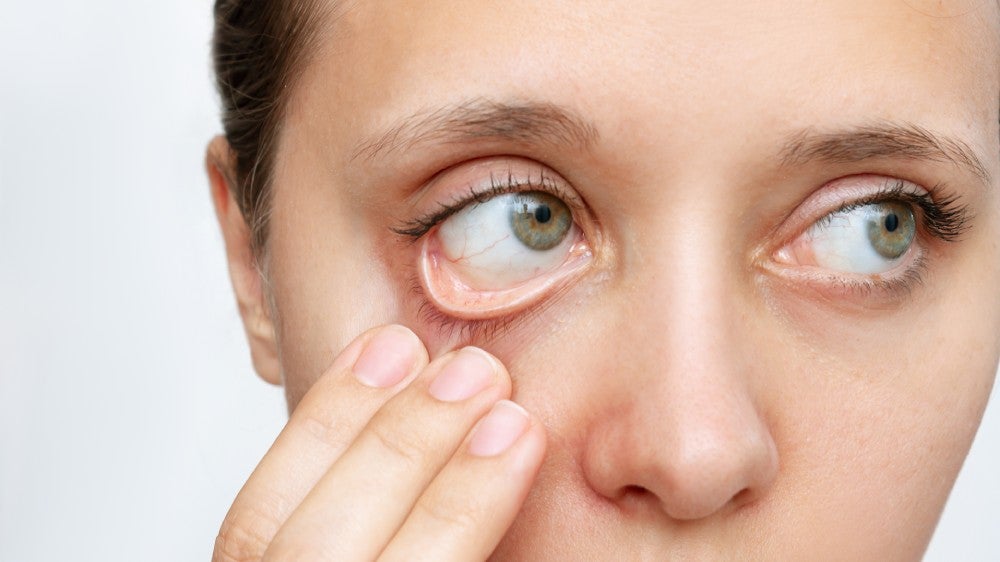
Cropped shot of a young caucasian woman showing off her pale conjunctiva isolated on a white background. Iron deficiency anemia. Reduced hemoglobin
Anemia is what happens when a body lacks hemoglobin, also known as healthy red blood cells. These carry oxygen to the body’s tissues to generate energy. If you’re wondering why anemic people are pale and weak, this here is the gist of it.
Some people are more susceptible to the condition. Pregnant women’s bodies, for example, go through an increased demand for iron. People with inflammation and infections, on the other hand, undergo significant iron losses. But for some, it’s more along the lines of not eating right. The first two groups can ascribe it up to circumstance. The last group, however, can alleviate their situation through food intake.
Pumping Iron into your System
Sometimes, problems can be solved in the kitchen; one such problem, for example, is a lack of dietary iron. Incorporating certain plants and meats into your regular menu can help ward off iron deficiency. What are these food groups? Well, read on!
Crafty Leafy Veggies
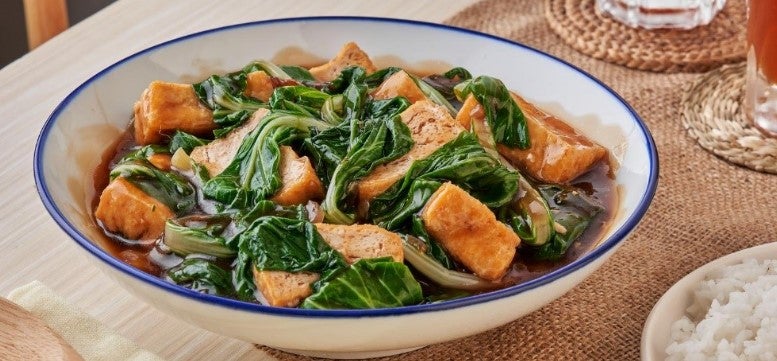
Green is good, specifically some tasty leaves like spinach, morogo . One crucial detail about plant-based iron, however, is that it’s not a readily absorbed nutrient. Pairing these up with other iron and Vitamin C sources such as vegetables would be very helpful in optimizing your iron absorption.
Meet Iron with Meat
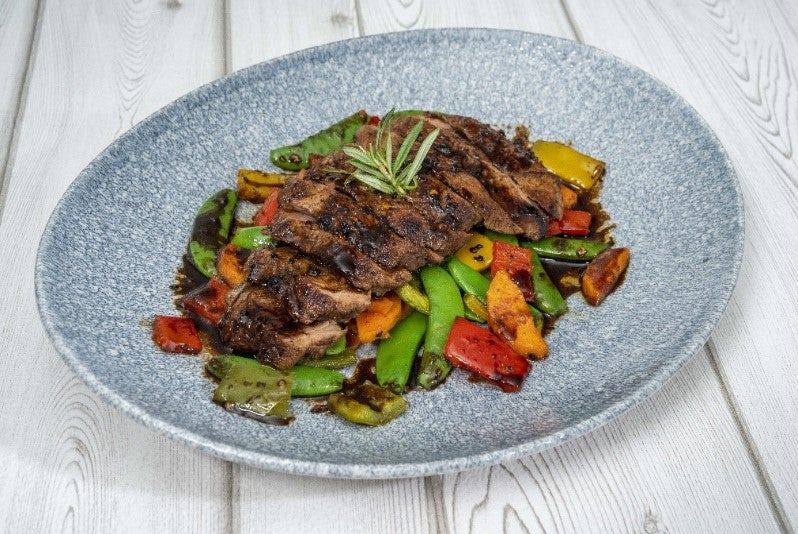
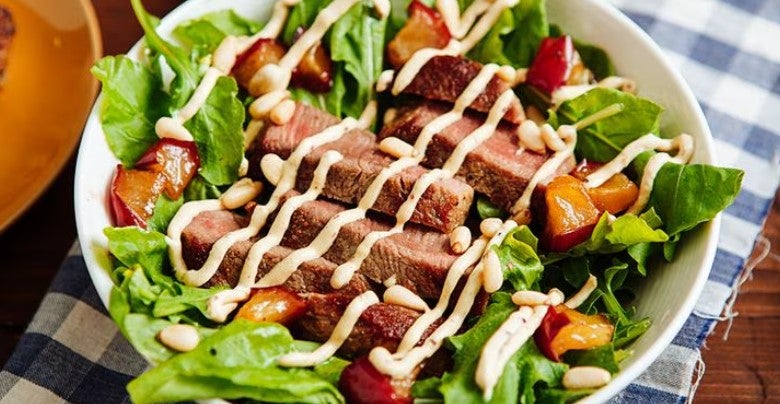
Lazenby Worcestershire Glazed Steak
It’s obvious—if you lack red in your body, red meat is the answer. Other types of meat also have iron, albeit in fewer amounts. Combining leafy greens, yellow vegetables and fresh vegetables of all colors is an effective way to boost iron intake. Here’s a recipe to get you started.
Liver Lover
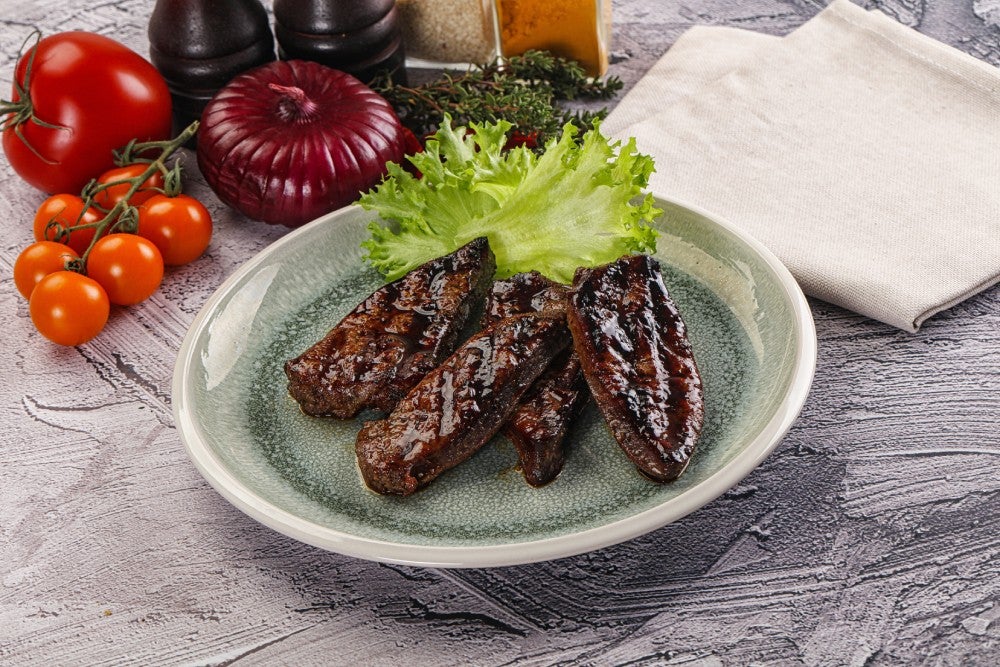
Aside from being a powerful source of iron, liver also boasts high levels of folate, Vitamin B12, and folic acid. Affordable and nutritious, this animal organ is an essential ingredient for the iron-deficient.
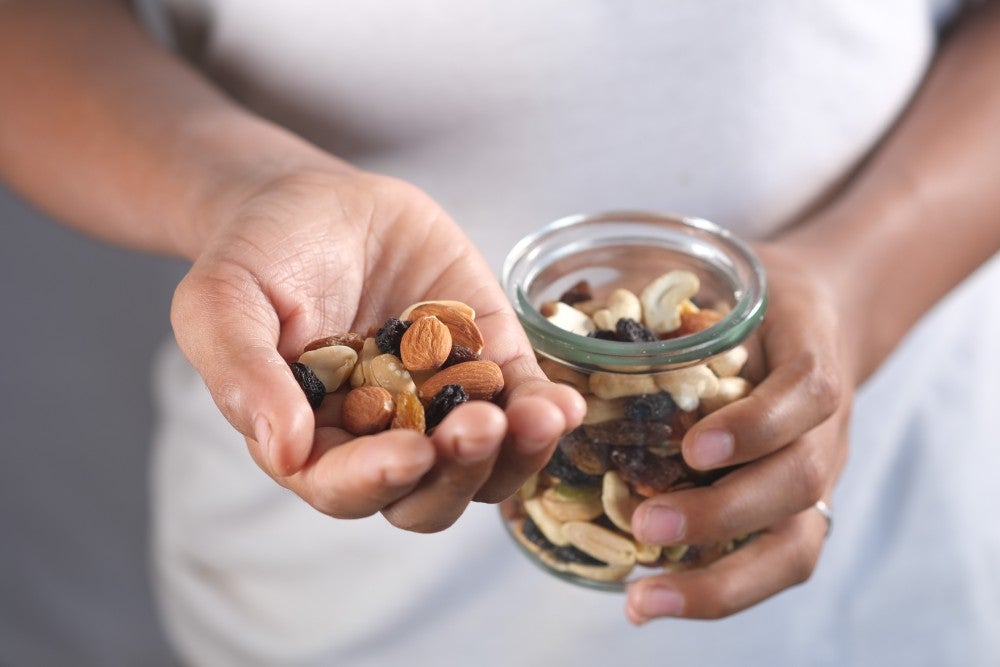
The Need for Nuts and Seeds
Gain with Whole Grains
Iron-Fortified Foods

You’ve got to admire the ingenuity of humanity in coming up with solutions. Iron fortification, or nutrient fortification in general, is a universal strategy to address micro-nutrient deficiencies around the globe. The most common examples of iron-fortified foods are breakfast cereals, wheat flour, maize meal, bread and certain powdered milks. Always check the label of your grocery items to see if it’s boosted with iron.
Did these solutions energize you? Incorporating foods for anemia is crucial for maintaining health. Still, as amazing as these options are, they pale in comparison to medicine and supplements designed to treat anemia. Fully resolving this medical condition needs professional guidance for complete treatment and total remission of the disease. Consult with a medical practitioner and registered dietitian if you are concerned about your iron status.
References
https://www.who.int/health-topics/anaemia#tab=tab_1
https://www.healthline.com/health/anemia#causes
https://www.mayoclinic.org/diseases-conditions/anemia/symptoms-causes/syc-20351360
https://www.healthline.com/health/best-diet-plan-for-anemia#leafy-greens